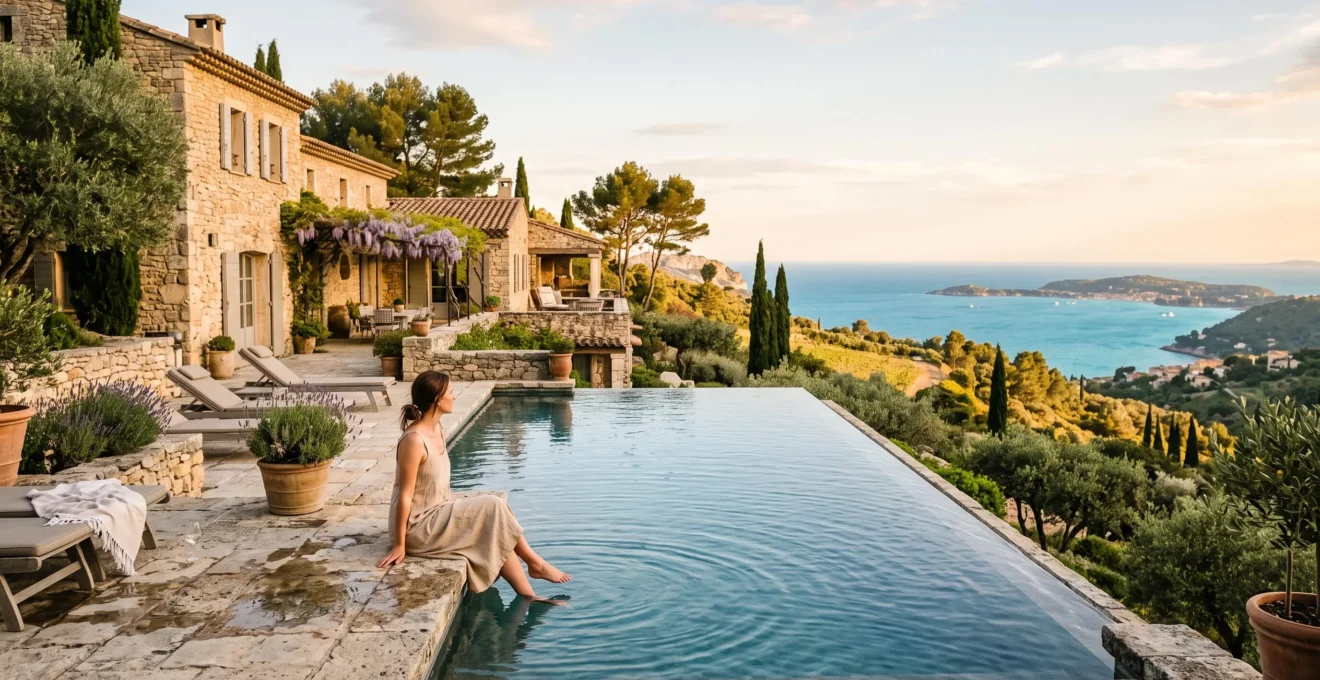
France can be a compelling choice for a luxury villa holiday when the goal is to combine privacy and high comfort with varied landscapes, cultural depth and the everyday pleasures of French living. The main advantage is not “more luxury” in the abstract, but the ability to match a villa stay to a clear travel style: coast and nightlife, countryside calm, food-and-wine immersion, or a culture-first break anchored by Paris.
For travellers weighing value against other premium destinations, France also benefits from strong travel connectivity and enduring demand from nearby markets. For example, the UK Office for National Statistics reports that France was the second most visited country by Great Britain residents in 2024, with 9.3 million visits (behind Spain), a helpful signal that the destination remains easy to access and widely chosen for leisure travel in practice.
How to choose the right French region for a luxury villa holiday
- Want glamour and sea views? Start with the Côte d’Azur.
- Prefer markets, vineyards and slower days? Provence is a natural fit.
- Looking for space, heritage and calm? Consider the Dordogne.
- Short break with major culture? Base near Paris in Île-de-France.
- Best “value” comes from fit: match region, season and pace to how the villa will be used.
What Makes France a Stand-Out Destination for a Luxury Villa Holiday?
Direct answer: France stands out because it lets travellers pair a private, high-end villa stay with distinct regional experiences—coast, countryside, heritage cities and gastronomy—without compromising comfort or variety.
Choosing France over another villa destination makes sense when “luxury” means more than the property itself. In one trip, it is realistic to build days around the beach and evenings around villages, vineyards or cultural sights—often within comfortable driving distance if the base is well chosen.
That regional variety is the practical difference-maker for a premium budget: the villa becomes a calm centre point, while the surrounding area provides a changing “programme” (markets, wineries, coastline walks, historic towns) without needing to hop countries or reinvent the itinerary.
For British travellers in particular, France’s popularity is also measurable. UK outbound travel statistics to France from the Office for National Statistics place it among the top destinations in 2024, which aligns with the planning reality many travellers care about: frequent transport options and established visitor infrastructure.
Which Regions Offer the Most Exceptional Villa Experiences?
Direct answer: The “best” region depends on the holiday you want: the Côte d’Azur for prestige and coastline, Provence for rural charm and gastronomy, the Dordogne for quiet heritage countryside, and Île-de-France for culture-led stays near Paris.
When comparing the best regions for a villa in France, start with what will define daily life at the property: sea access and social scene, countryside privacy, cultural visits, or a slower food-and-wine rhythm. The same villa features—terraces, gardens, a private pool—feel very different depending on the setting and season.
A quick comparison: Côte d’Azur vs Provence.
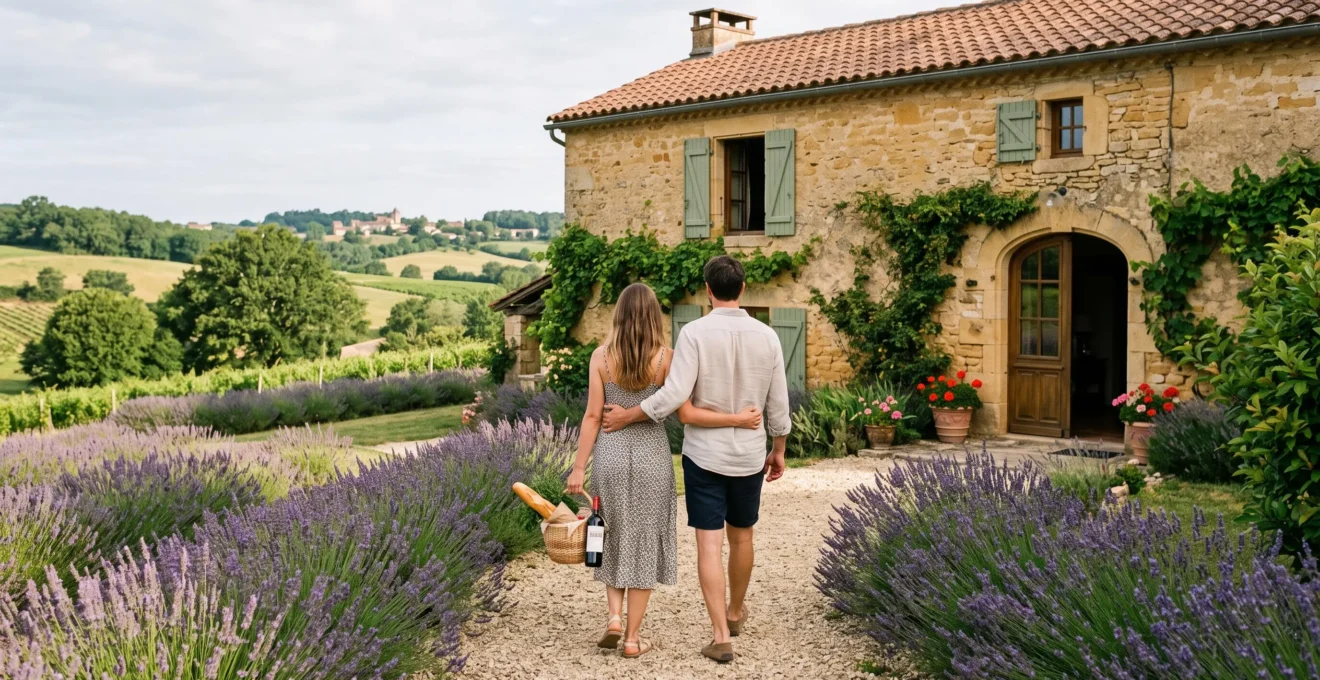
On the Côte d’Azur, a sea-view villa often suits travellers who want beach time, iconic coastal towns and evenings that can include a lively restaurant and bar scene. In Provence, a country estate is typically chosen for space, villages, markets and an itinerary built around short drives—think a long lunch after a morning market rather than a late night out.
Côte d’Azur: Best suited to travellers prioritising coastal scenery, high-end beach clubs, designer shopping and a social atmosphere. A villa with a private pool can be especially appealing here for privacy during peak periods when beaches and roads are busier.
Provence: A strong option for travellers who want “quiet luxury”: stone houses, vineyard landscapes, villages and a routine shaped by local produce. It tends to work well for groups who value long outdoor meals, day trips and space to slow down.
Dordogne: Ideal for those seeking refined countryside calm—historic towns, châteaux and generous outdoor space. For a luxury villa holiday, the Dordogne often fits multi-generational groups who want privacy, heritage visits and an unhurried pace.
Île-de-France: The best match for a culture-first itinerary where the villa is a sanctuary between major visits (Paris, Versailles and museum time). It can suit shorter, high-impact breaks where travel time is kept tight and experiences are curated.
To reduce uncertainty on value, use a simple rule: the more the region matches how the group spends mornings and evenings, the more the villa budget “pays back” in lived experience—not only in the property’s amenities.
The French Art de Vivre: Gastronomy, Wellness and Coastal Serenity
Direct answer: The French art de vivre elevates a villa stay through food culture, market-led cooking, wine regions, and a slower rhythm that makes privacy, space and a pool feel genuinely restorative.
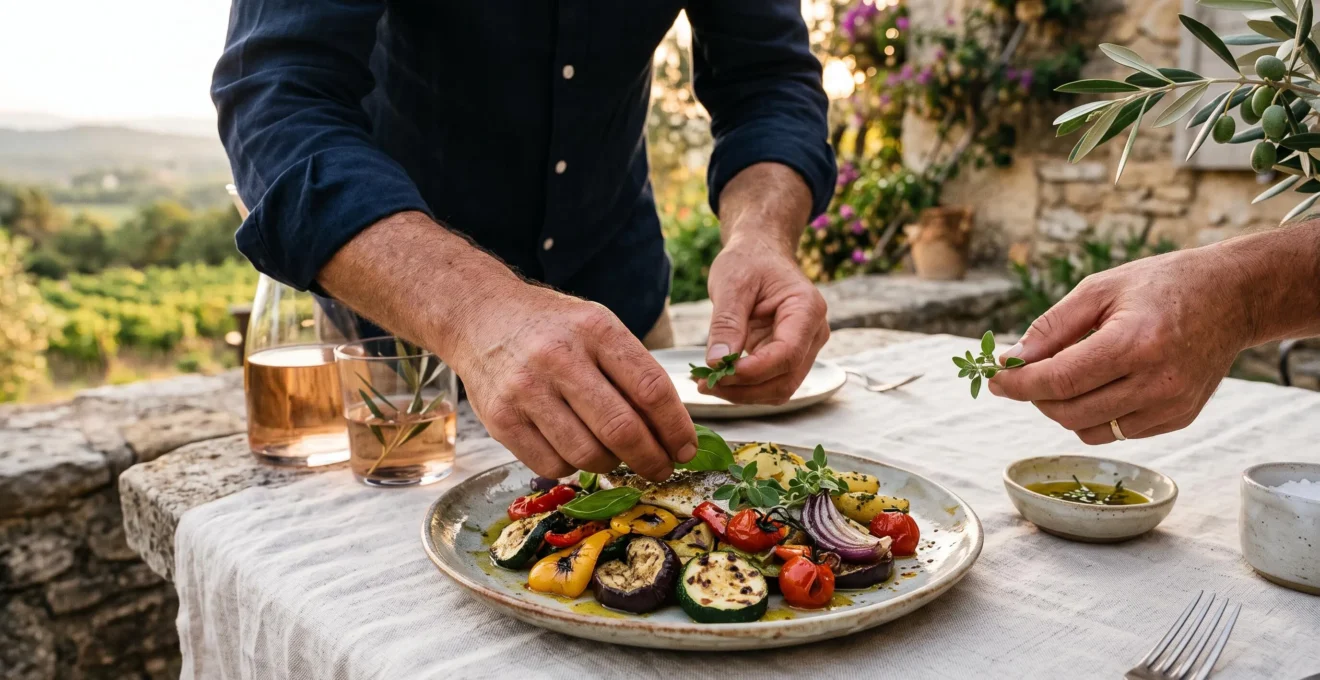
A luxury villa holiday in France often feels distinctive because everyday pleasures are easy to build into the itinerary. Rather than treating meals as an “activity”, many travellers use the villa as a base for market mornings and long lunches on the terrace, especially in regions where local produce and wine culture are central to the trip.
This is also where wellness becomes practical rather than abstract. A private pool, shaded outdoor seating and the ability to design quieter days between excursions can matter as much as any headline feature—particularly for families or groups balancing different energy levels.
For travellers drawn to the coast, the Mediterranean rhythm can be part of the appeal: sea-view days, late dinners and time outdoors. If the main aim is decompression, it can help to design the trip around the sea itself—this related read on seaside breaks provides useful context for how coastal settings can support real rest.
Value check before booking: “Art de vivre” becomes tangible only if the villa’s location supports the routine you want (walkable village vs total privacy, beach access vs countryside drives). Map this before committing.
How to Plan Your Luxury Villa Holiday in France
Direct answer: Plan in four steps: choose the region first, match the season to your priorities, confirm entry formalities for your nationality, then book key services early if they matter to the experience.
Planning is where a high-end villa break either becomes effortless or starts to feel fragmented. The most reliable approach is to decide what “excellent” looks like for the group—privacy, proximity to a beach, village life, cultural visits—then choose a region that naturally delivers that daily rhythm.
- Define the holiday shape
Decide what most days should look like: coastal downtime, countryside exploration, food-and-wine focus, or culture-first. This determines region and location more than any single villa feature.
- Choose the region, then the micro-location
Shortlist areas (for example Côte d’Azur vs Provence), then refine to the setting that suits the group: near a town for restaurants, or secluded for privacy.
- Align season with priorities
Once the region is chosen, select a period that matches tolerance for heat, crowd levels, and the kind of atmosphere you want around beaches and villages.
- Lock in the essentials early
If a specific style of property, a private pool, or time-sensitive plans (day trips, dining) matter, treat them as “non-negotiables” and plan around them rather than hoping to add them later.
Choosing the Right Season for Your Stay
Direct answer: The best season is the one that matches your use of the villa: peak summer for guaranteed beach atmosphere, shoulder months for calmer days and easier logistics, and cooler periods for city-and-countryside pacing.
Without introducing unverified figures, seasonality can still be approached concretely. If the trip revolves around beach clubs, swimming and a lively coastal scene, summer will usually align best with that intent—while also bringing higher demand and fuller roads in popular areas.
If privacy, space and a smoother day-to-day flow are the priority, shoulder seasons can feel more “villa-centric”: easier reservations locally, more flexibility for excursions, and a quieter rhythm at the property. For culture-led breaks near Paris or for travellers who prefer cooler sightseeing conditions, non-summer periods can make museum days and walks more comfortable.
Decision shortcut: When the villa’s terrace and pool are the main “venue” for the holiday, prioritise stable outdoor weather; when the villa is a base for visits, prioritise comfort for driving and sightseeing.
Entry Requirements and Practical Formalities
Direct answer: For British citizens, official guidance indicates visa-free entry for tourism stays up to 90 days in any 180-day period, subject to Schengen passport validity rules; requirements can differ for other nationalities.
Entry rules are not the place for assumptions, especially for a premium trip planned far in advance. The UK Government’s official France entry requirements guidance confirms that British citizen passport holders can enter visa-free for tourism for up to 90 days in 180, provided passport validity meets Schengen rules (including being issued less than 10 years before arrival and valid for at least three months after the planned departure from the Schengen area).
If travelling on a non-UK passport, or if the group includes multiple nationalities, check the applicable government guidance for each traveller. Also consider practical points that can affect villa logistics: driving plans, arrival airport choice, and whether the group needs a flexible schedule for day trips.
Cas pratique
A hypothetical couple plans a two-week luxury villa holiday in France and hesitates between Côte d’Azur and Provence. They choose Provence for quieter days and market-led cooking, book the villa around outdoor living, then keep two “city-style” days for cultural visits in nearby towns. They confirm passport validity and entry rules early, so the final weeks focus only on the enjoyable details: routes, restaurant bookings and day trips.
Which French region is best for a luxury villa with a private pool?
The best region depends on how the pool fits into your days. For coastal views and a social scene, the Côte d’Azur is a common choice; for a quieter “villa-centred” rhythm with villages and markets, Provence often fits well; for maximum calm and space, the Dordogne can be strong for groups.
Is France worth the cost compared to other luxury villa destinations?
It can be worth it when the region’s lifestyle reduces “extra” spend and friction: fewer long transfers, a richer local programme near the villa, and a setting that matches the group’s pace. Value is usually highest when region, location and season are chosen to suit how the villa will be used, rather than chasing a generic idea of prestige.
What are the entry requirements and practical formalities for a stay in France?
For British citizens, UK Government guidance states you can enter France visa-free for tourism stays up to 90 days in any 180-day period, provided your passport meets Schengen validity rules. Requirements may differ for other nationalities, so check the relevant official government source for each traveller.

Ready to Design Your Perfect French Escape?
Direct answer: Choose one region that matches your pace, pick a season that supports your villa routine, and confirm entry formalities early—then build a shortlist of properties around non-negotiables like location and a private pool.
France is “perfect” for a luxury villa holiday when the decision is made region-first. The Côte d’Azur suits travellers who want coastal energy and iconic scenery; Provence fits those who want markets, vineyards and unhurried outdoor meals; the Dordogne is a strong contender for heritage calm and space; and Île-de-France works when culture is the headline and the villa is the retreat.
To move from inspiration to action, draft a one-page brief before you enquire: preferred region, setting (walkable vs secluded), must-haves (for example private pool), and the three experiences that would make the trip feel worth the budget. That single document makes comparing options dramatically easier.
The right choice should feel specific: a region that supports your daily rhythm, and a villa that makes the simple moments—breakfast outdoors, a swim, an evening meal—effortless. When those basics align, the premium budget is easier to justify because the value is experienced every day, not only on a few highlight excursions.